Dream Dubai
Designing Trust at Scale in a Shop and Win Ecosystem
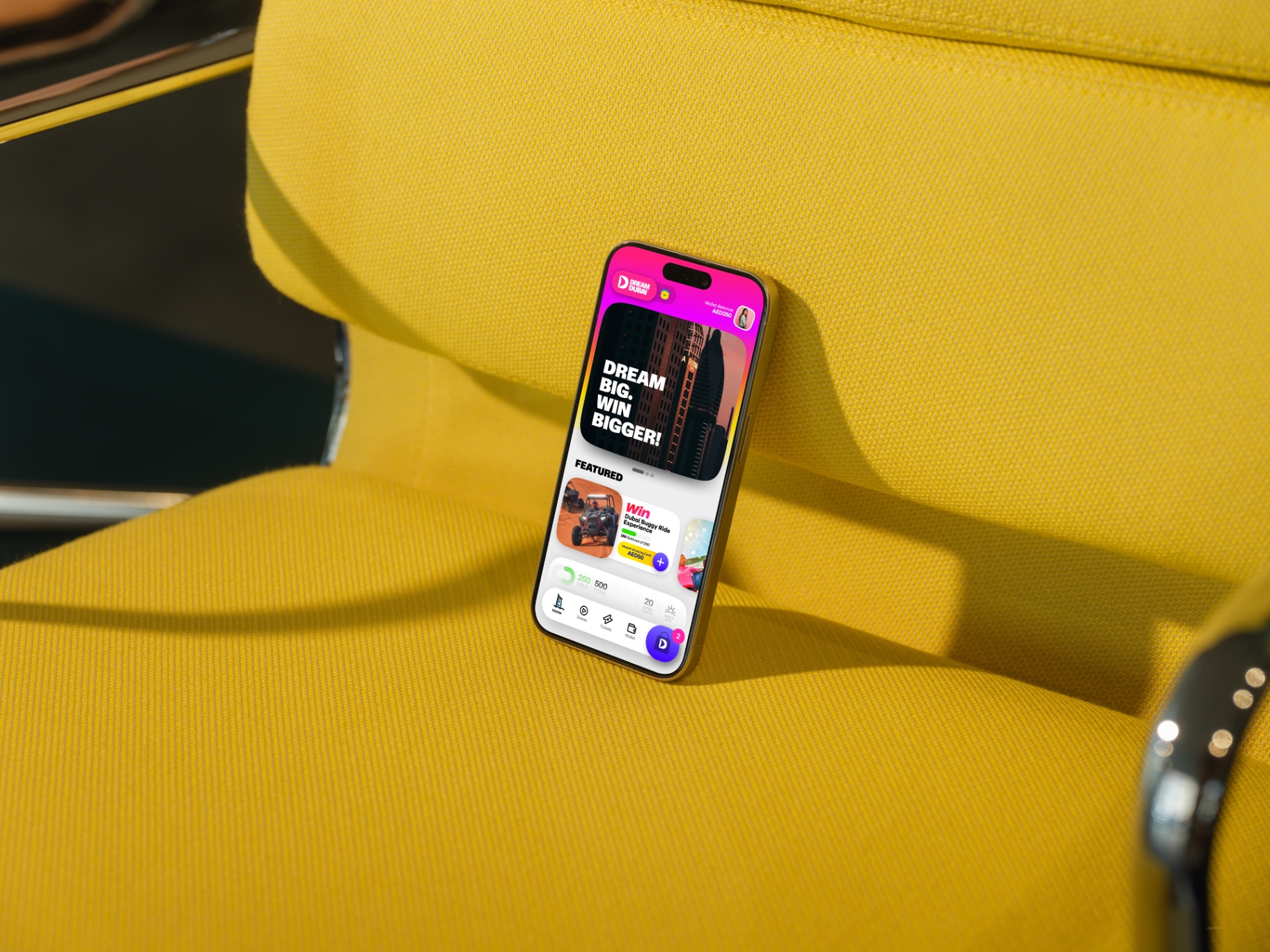
Dream Dubai is a UAE-based shop and win platform built to merge commerce with opportunity. The challenge was not just to design an app. It was to design belief. In a model where users purchase products for a chance to win high-value prizes, trust becomes the primary UX function. As UX Lead, I shaped the end-to-end experience across the platform.
The Problem
Shop and win platforms sit at the intersection of e-commerce and anticipation. Users are not simply buying. They are participating.
This creates unique tension:
- How do you remove skepticism?
- How do you make mechanics instantly understandable?
- How do you reduce friction without reducing transparency?
- How do you scale campaigns without creating cognitive overload?
The design had to feel premium, clear, and emotionally engaging, while remaining operationally scalable.
My Role
UX Leadership and Product Experience Design
- Defined the full user journey architecture
- Designed onboarding and participation flows
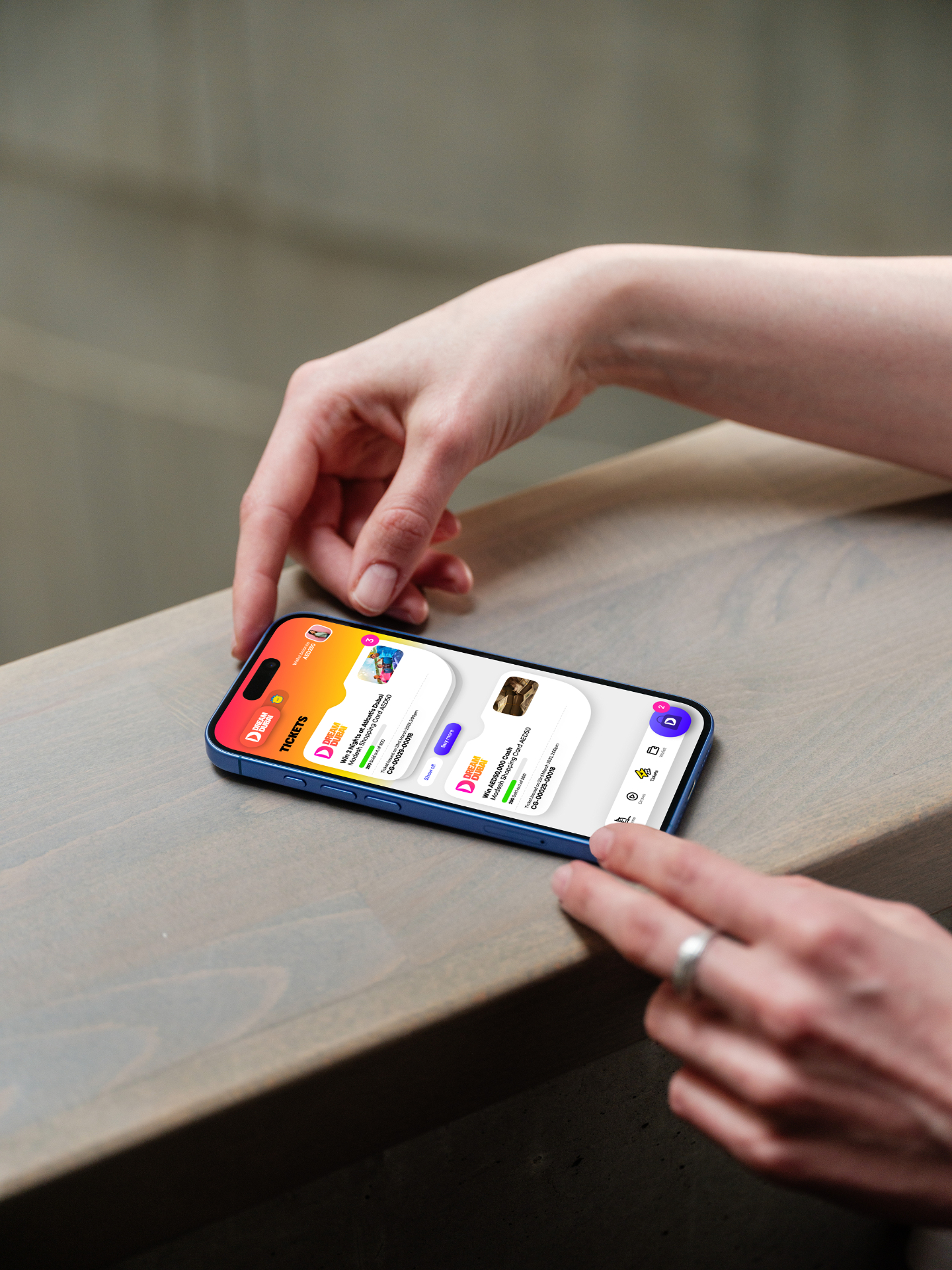
- Structured ticket allocation clarity
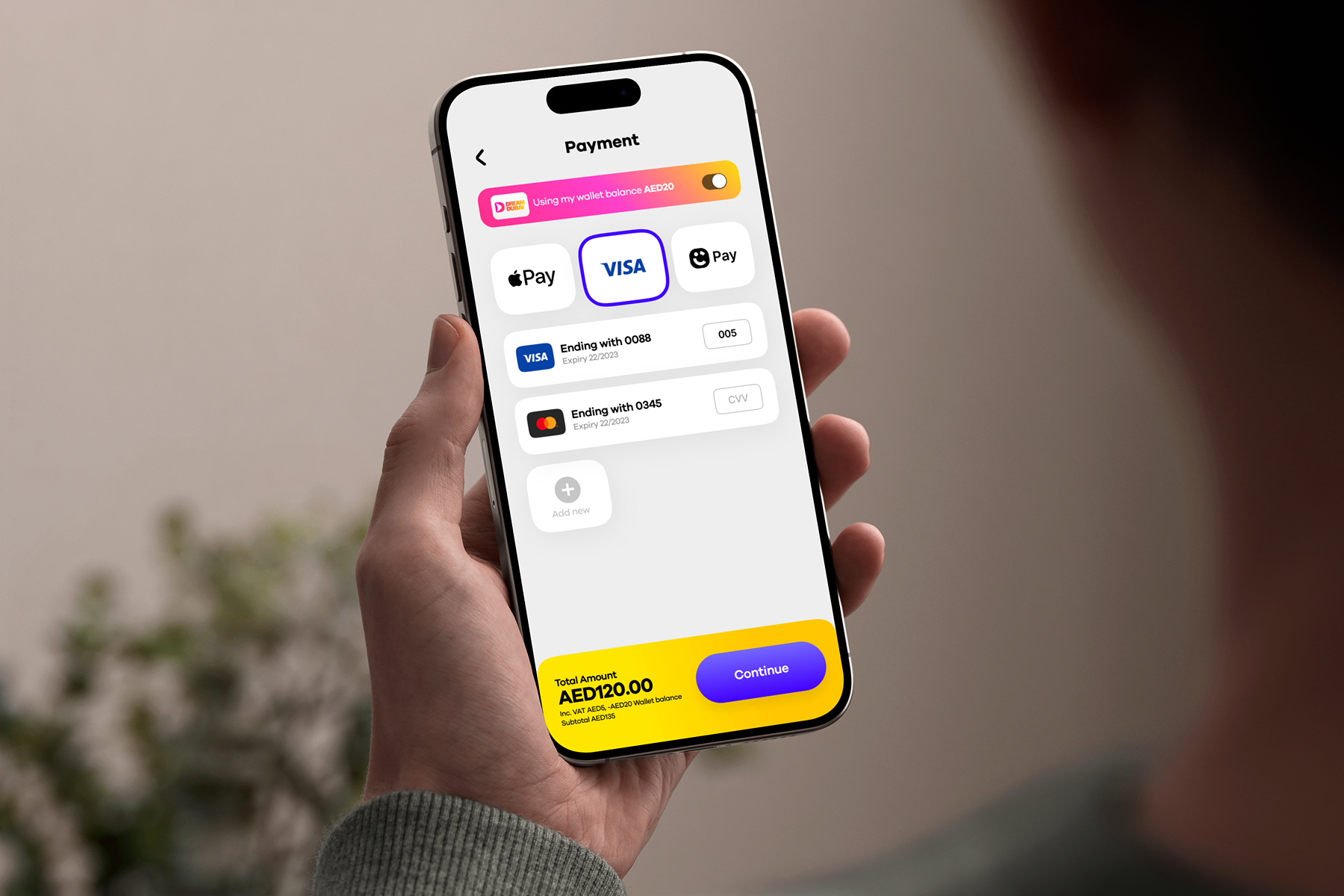
- Optimized checkout for conversion and simplicity
- Built scalable campaign systems
- Aligned UX with marketing and business strategy
This was not screen design. This was experience orchestration.
Design Philosophy
1. Trust Is a Design System
Trust cannot be added later. It must be embedded in structure. We introduced clear draw timelines and visual countdowns, transparent ticket visibility, prominent winner announcements, simplified eligibility communication, and consistent information hierarchy.
Clarity reduced hesitation. Transparency increased confidence.
2. Friction Is the Enemy of Participation
Participation needed to feel effortless without feeling vague. We refined product-to-ticket mapping, checkout flow compression, mobile-first interaction patterns, and progressive disclosure of complex information.
The result was a flow that felt intuitive for new users and efficient for repeat participants.
3. Emotion as a Conversion Layer
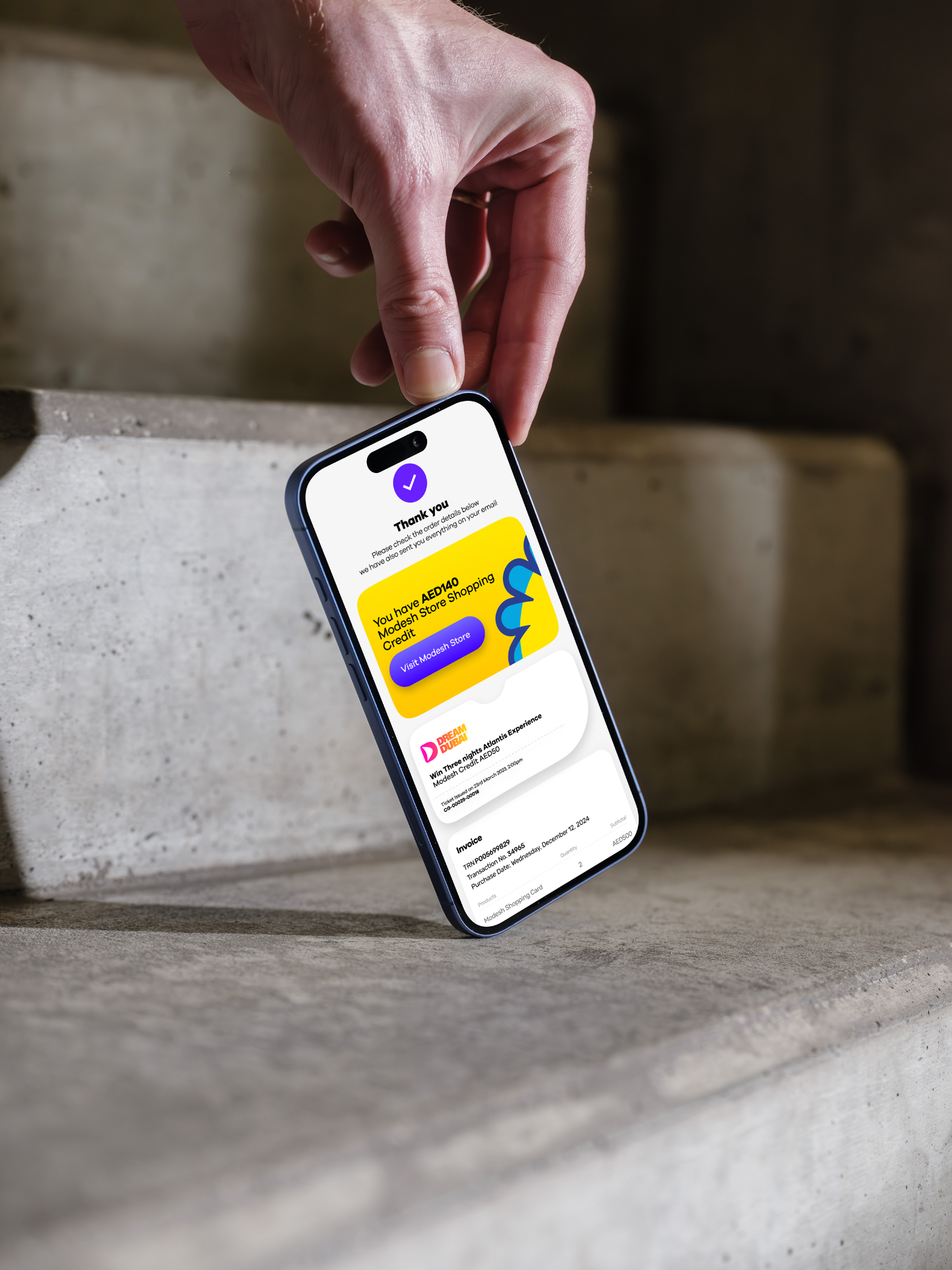
Excitement drives initial participation. Consistency drives retention. We designed visual systems that emphasized grand prize hierarchy, campaign momentum, post-purchase reassurance, and winner celebration states.
The interface balanced restraint with anticipation.
4. Designing for Scale
Dream Dubai runs multiple campaigns with varying prize tiers. The UX framework was built as a modular system that allowed dynamic campaign structures, marketing flexibility without breaking UX consistency, reusable components, and future expansion without redesign.
Scalability was a design objective from day one.
Outcome
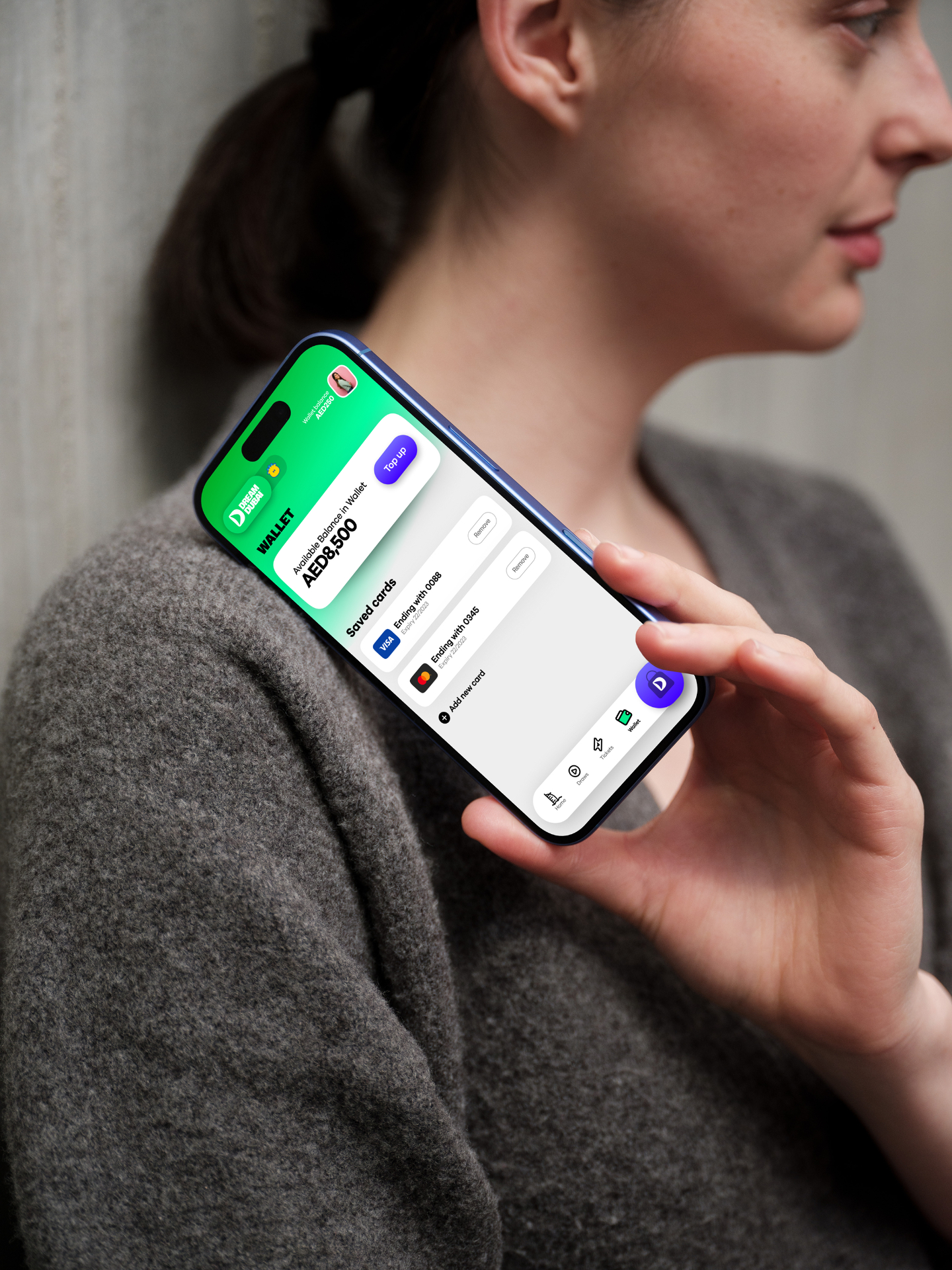
The redesigned experience strengthened platform credibility, reduced friction in participation, and supported repeat engagement behavior.
More importantly, it positioned the product as a trusted digital commerce ecosystem rather than a transactional experience.
Reflection
Designing Dream Dubai reinforced a principle I believe deeply in: Trust is not branding. Trust is structure.
In high-stakes digital commerce environments, design is not decoration. It is the credibility engine of the business.