Idealz
Designing a Multi-Market Shop and Win Platform for Emerging Regions
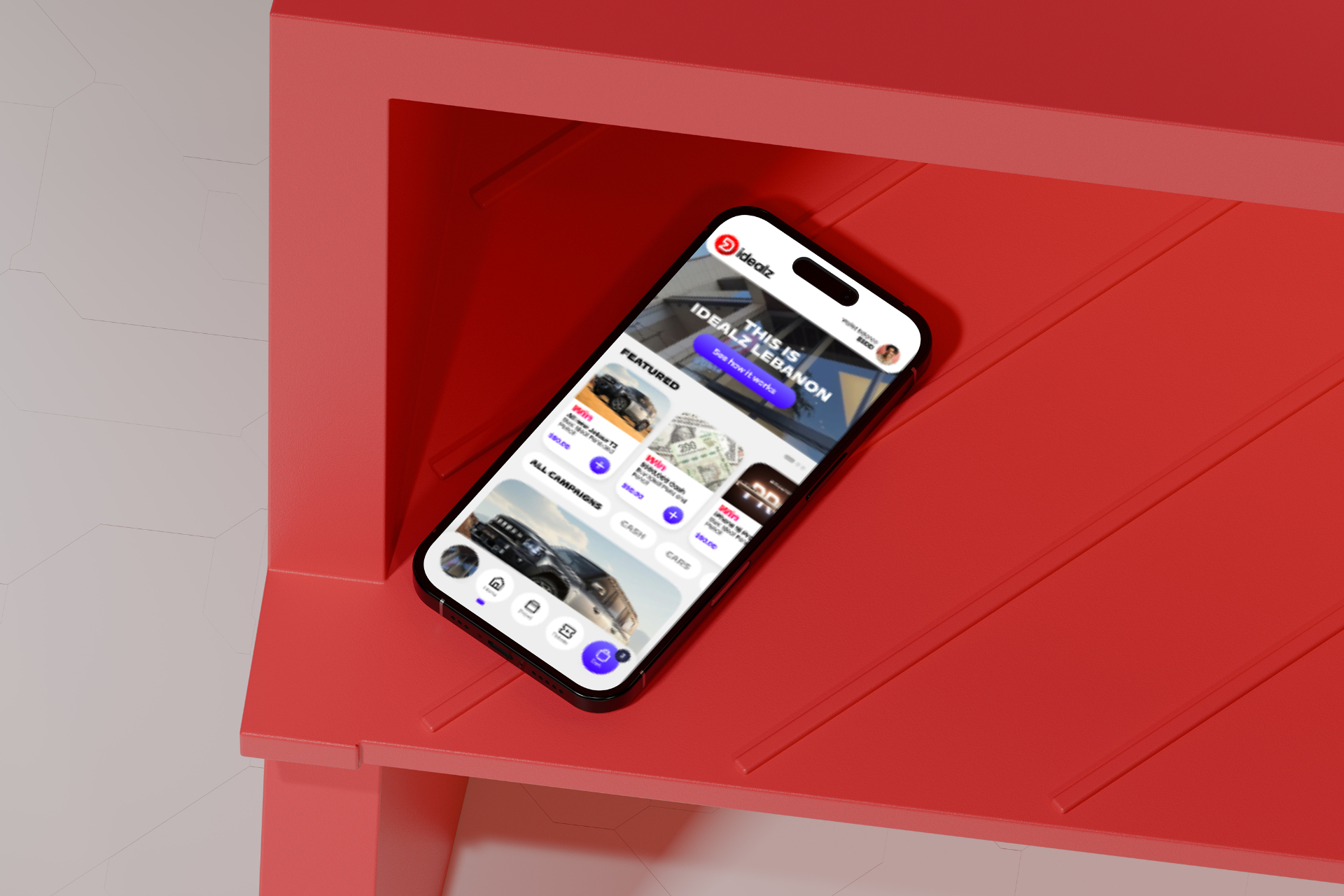
Idealz is a digital shop and win platform operating in Lebanon and Mexico, built to combine everyday commerce with the excitement of premium prize campaigns.
The challenge was not just to localize a product.
It was to architect a scalable experience capable of adapting across markets, cultures, and purchasing behaviors.
As UX Lead, I was responsible for shaping the cross-market experience framework.
The Context
Emerging markets require a different level of design sensitivity.
Trust thresholds differ.
Digital maturity varies.
Payment behaviors are inconsistent.
Cultural expectations influence perception.
Designing for Lebanon and Mexico meant creating a system that felt locally relevant while maintaining a strong, consistent brand identity.
My Role
UX Leadership and Experience Architecture
- Designed the end-to-end user journey
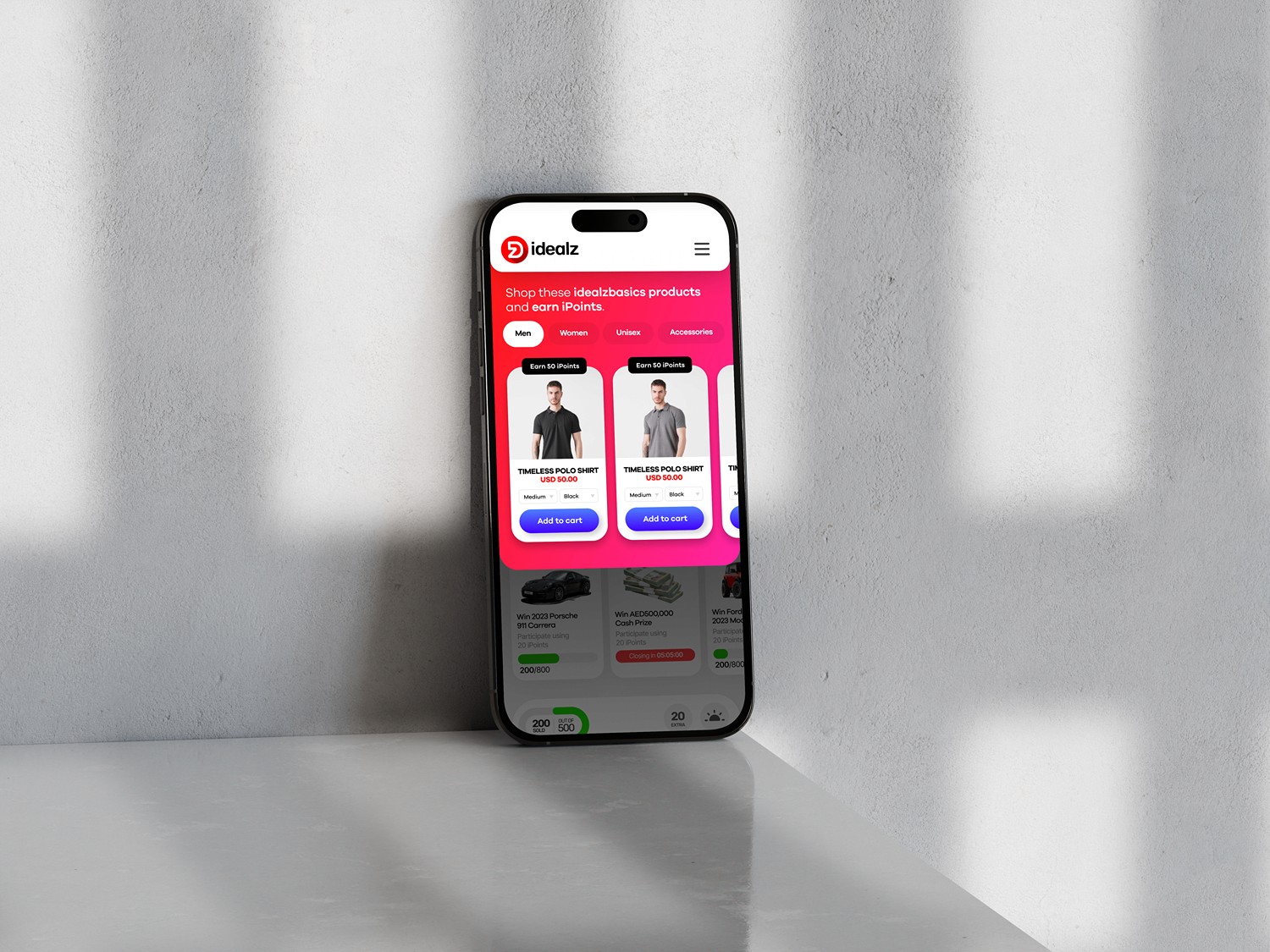
- Built scalable campaign structures adaptable to regional markets
- Structured ticket allocation transparency
- Optimized mobile-first participation flows
- Aligned UX with marketing, operations, and regional strategy
- Designed systems for future geographic expansion
This was platform design, not app design.
Core Design Principles
1. Trust as Infrastructure
In a shop and win ecosystem, clarity determines credibility. We embedded trust into the structure through transparent draw mechanics, clear ticket visibility, prominent winner announcements, simplified campaign communication, and consistent UI hierarchy across markets. The objective was simple. Remove doubt before it appears.
2. Localization Without Fragmentation
Rather than designing separate products per country, we built a modular system. This allowed regional campaign variations, flexible product catalogs, adaptable promotional formats, and consistent core mechanics. The platform could evolve per market without redesigning its foundation.
3. Reducing Participation Friction
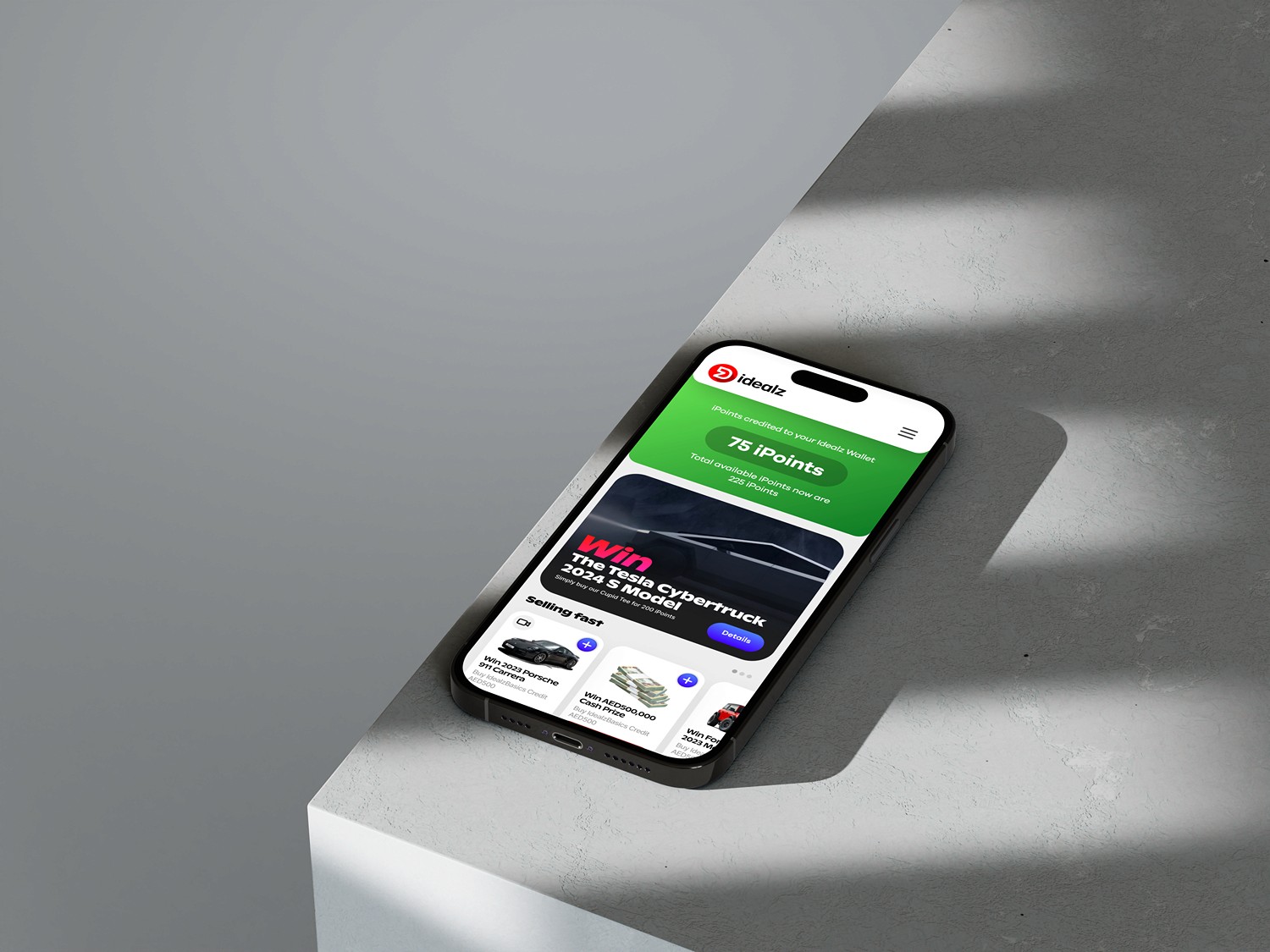
Participation must feel seamless. We optimized product-to-ticket mapping clarity, simplified checkout flows, mobile-first interaction design, and reduced cognitive overload in campaign browsing. For first-time users, clarity. For repeat users, efficiency.
4. Designing for Scale
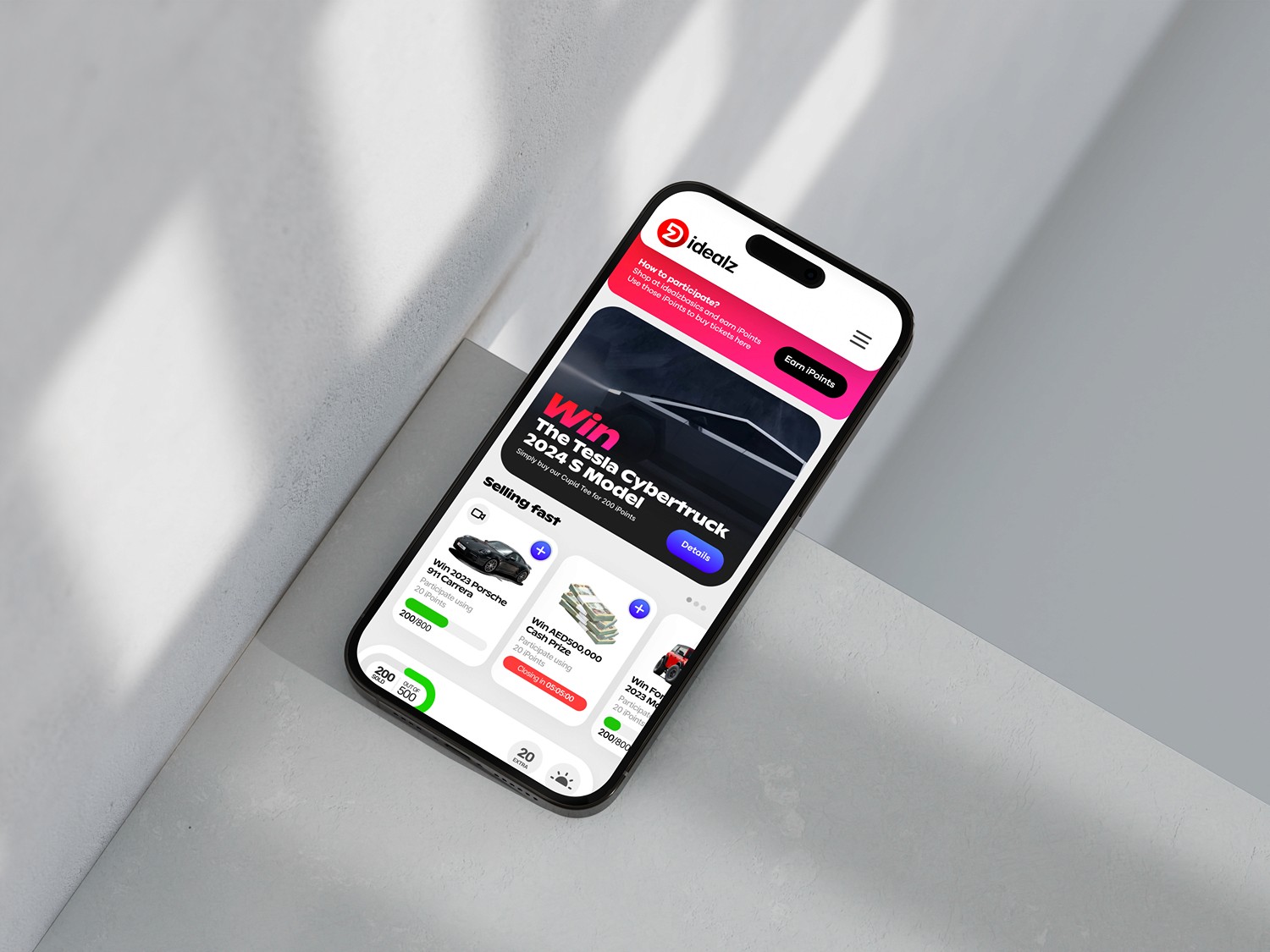
The system was intentionally structured for geographic expansion. Scalable components included modular campaign blocks, dynamic prize tiers, reusable UX patterns, and flexible backend-driven configurations. The design supports entry into new regions without rebuilding the experience from scratch. Expansion is already underway.
Outcome
The platform established a strong digital presence in Lebanon and Mexico, reinforcing brand trust and encouraging repeat participation behavior.
More importantly, it created a scalable product foundation prepared for entry into additional regions.
Reflection
Designing Idealz reinforced a principle central to my work:
Scalability is not a technical decision.
It is a design decision.
When experience architecture is built correctly, growth becomes operational, not disruptive.